
Install day
What to Expect on Install Day
A new roof is a loud, busy day at your house. Here's how to get ready, what we'll be doing, and how we leave things when we're done.
Before we arrive
A little prep makes the day go smoothly.
- We confirm the date. Weather can move it; if it does, we’ll tell you as early as we can.
- Clear the driveway. The dump trailer and the shingle delivery need to get close to the house. Move cars out of the garage and driveway the night before.
- Take down fragile things. Hammering shakes walls. Take pictures and mirrors off the walls on the top floor, and cover or move anything in the attic — dust and small debris come through the boards.
- Kids and pets inside. The yard is a work zone for the day.
- Tell us about the yard. Anything delicate, buried or easy to miss: prized plants, sprinkler heads, outdoor lights, a koi pond. Mark sprinkler heads with flags if you can.
- Dishes and solar. If you have a satellite dish or anything mounted on the roof, we’ll tell you ahead of time what has to come off and who handles it.
On the day
- The crew arrives and the lead introduces themselves. You’ll know who’s in charge and how to reach them.
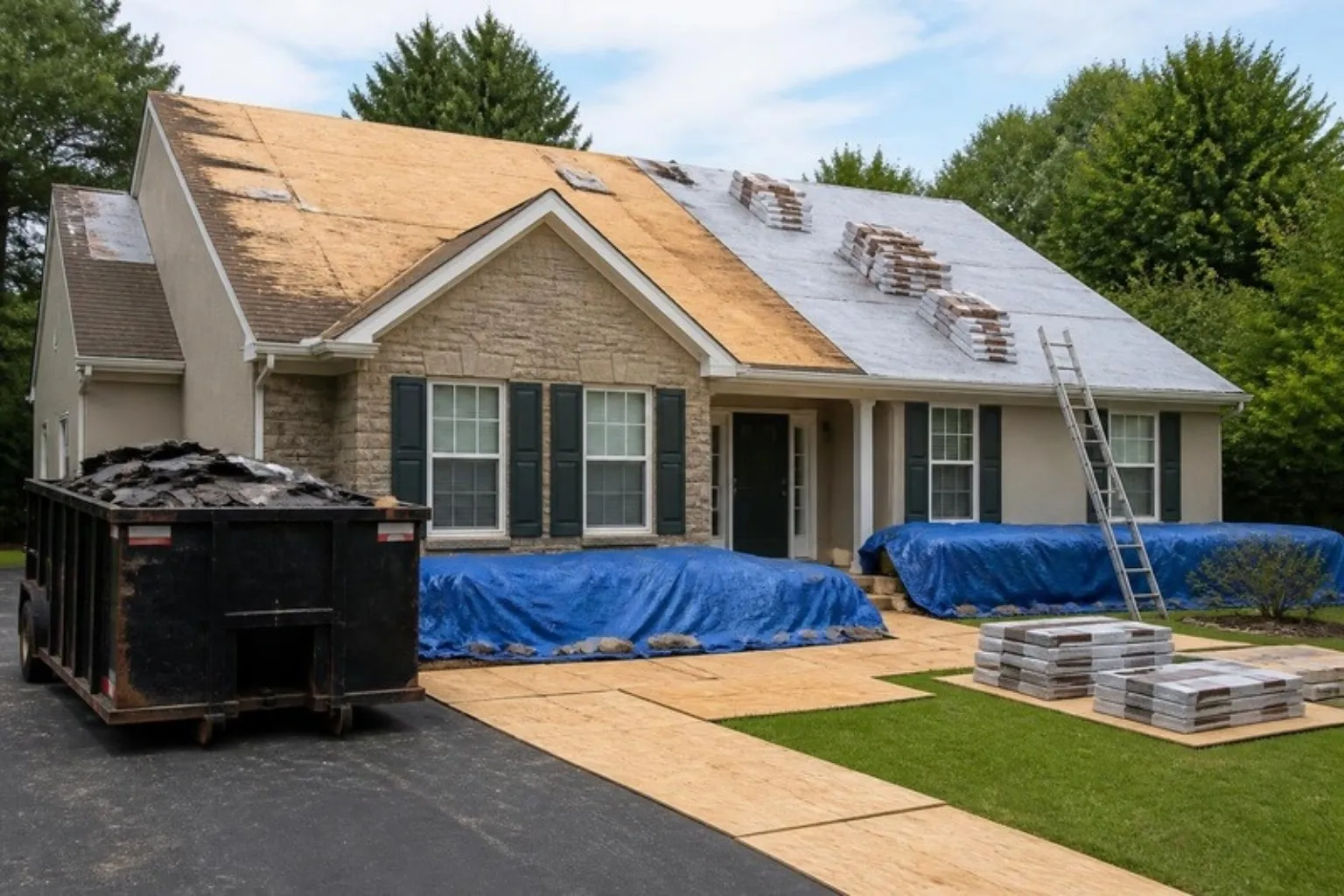
- Protection goes up first. Tarps and plywood over landscaping, siding, AC units and the driveway.
- Tear-off. The old shingles and underlayment come off down to the wood deck. This is the loudest part.
- Deck check. We look at every board. If any are soft or rotted, we show you before we replace them.
- Dry-in. Ice-and-water barrier at the eaves, valleys and penetrations, then underlayment over the rest.
- Flashing, drip edge and vents. New metal at chimneys, walls and pipes, and the ventilation your attic needs.
- Shingles and ridge. Starter course, field shingles, then the ridge cap. The roof takes shape fast once this starts.
Most roofs take a day or two. Bigger or more complicated roofs take longer, and we’ll tell you before we start. You don’t need to be home, but you’re welcome to be.
When we’re done
- A walkthrough with you. We go over the job and answer questions.
- Magnet sweep. A rolling magnet across the lawn, beds, driveway and walkways for nails.
- Gutters cleared. Tear-off debris doesn’t stay in your gutters.
- Everything hauled away. The trailer leaves with the old roof.
- Warranty paperwork in writing. The manufacturer warranty and our workmanship warranty, explained. See how pricing and warranties work.
- One number to call. If anything ever comes up, you call the same person who quoted the job.
Leaking right now?
If water is coming in, do these things in this order, from inside the house:
- Catch it. Put a bucket or pan under the drip. Lay down towels or a tarp.
- Move what you can. Furniture, rugs, electronics, anything under the leak.
- If the ceiling is bulging, it’s holding water. Put a bucket under the low point and poke a small hole in it with a screwdriver to let the water drain. It feels wrong, but a small hole beats a ceiling coming down.
- Take photos. Of the leak, the ceiling and anything damaged. Your insurance company will want them.
- Stay off the roof. Especially when it’s wet, windy or dark. That’s what we’re for.
- Call us. We do emergency repairs and temporary tarping. The first job is stopping the water. The permanent roof repair comes after, once things are dry and we can see what happened.
After the storm
You can learn a lot from the ground. After a big wind or hail storm, look for shingles or pieces of shingle in the yard, tabs that are lifted or curled, dented metal vents, and a pile of granules at the bottom of the downspout. Any of those is a reason to get it looked at.
Be careful of anyone who knocks on the door after a storm offering a “free roof.” Storm-chasers come and go. We’re local, and a free inspection with photos is the calm way to find out what, if anything, your roof needs.
Ready when you are: book a free inspection, read about roof replacement, or see how pricing and warranties work first.
FAQ
Install day questions
Do I need to be home during the roof installation?
No. We'll confirm everything with you beforehand and the crew lead has your number. Plenty of people go to work and come home to a new roof. You're welcome to stay if you'd rather.
How loud is it?
Loud. Tear-off and nailing shake the house. If you work from home, have a napping baby or a nervous dog, plan to be somewhere else for the bulk of the day.
What happens if it rains?
We watch the forecast and won't open up your roof if we can't close it the same day. If weather moves the date, we'll tell you as early as we can. Any section that's opened gets dried in before the crew leaves.
Will the crew protect my landscaping and siding?
Yes. Tarps and plywood go over shrubs, beds, AC units and the driveway before the first shingle comes off. Tell us ahead of time about anything delicate and we'll take extra care.
How do you make sure there are no nails left in the yard?
We run a rolling magnet over the lawn, beds and driveway at the end of the job, and the gutters get cleared of debris. If you find one we missed, call and we'll come back.
My roof is leaking right now. What do I do?
Put a bucket under it, move anything that can be damaged, stay off the roof, and call us. We do emergency repairs and temporary tarping. The first job is stopping the water; the permanent fix comes after.
Next, read
How pricing & warranties work
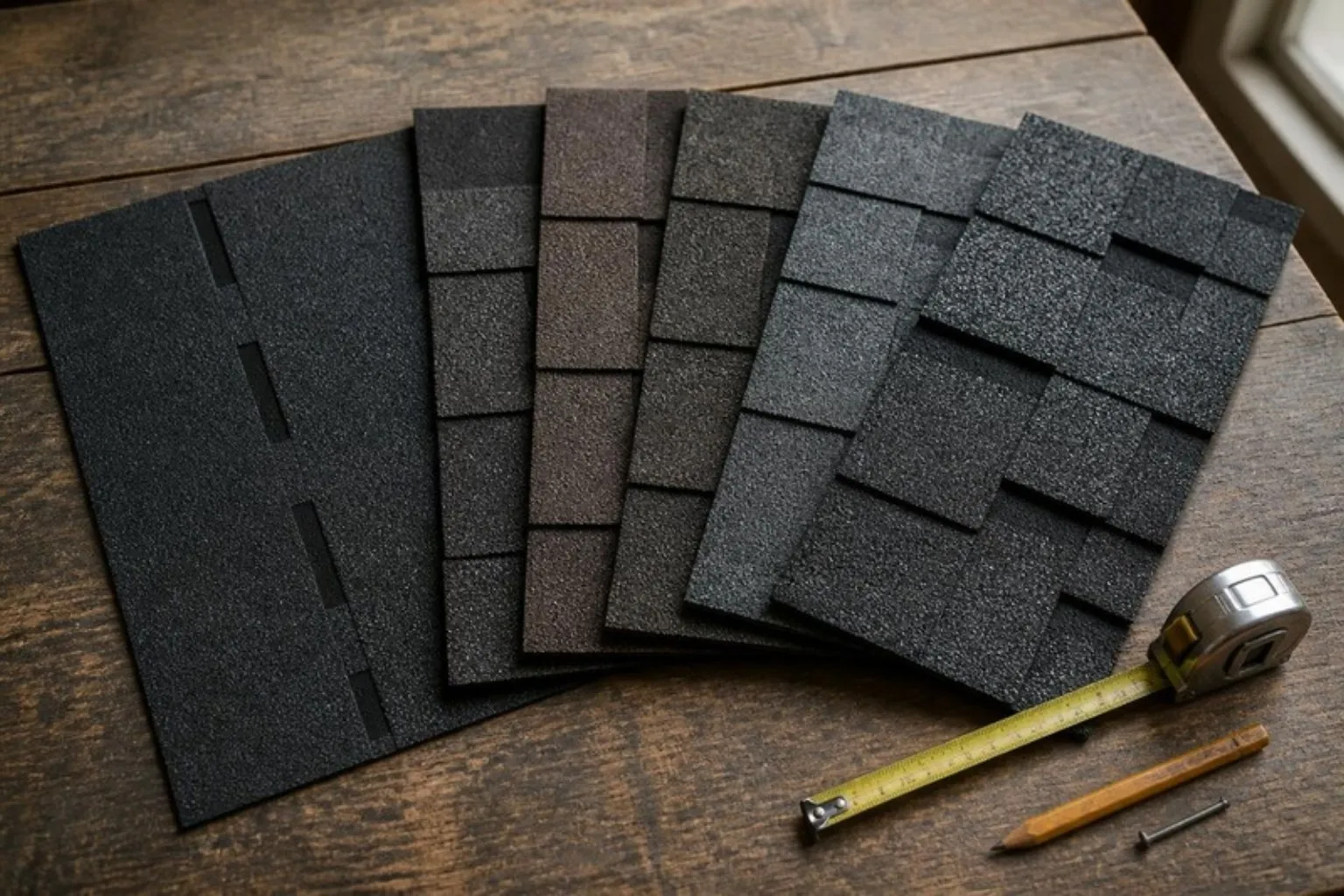
What goes into a roof quote, the three kinds of shingles, and the difference between a manufacturer warranty and a workmanship warranty.
Call Your Uncle.
Got a roof question? Call your uncle.
Book a free roof inspection, or just call and ask. We'll give you a straight answer.